
Camalig, Albay · Philippines
Discover Quintinday Hills and its raw, untouched beauty
Step into a landscape shaped gently by time—where rolling green hills, quiet horizons, and fresh mountain air invite you to slow down. Quintinday Hills is a place for travelers seeking authenticity, tranquility, and a genuine encounter with nature.
Whether you come for sunrise over the hills, quiet walks along native grasslands, or a deeper understanding of the science and stories behind this landscape, Quintinday Hills welcomes you at your own pace.
Or gently explore suggested stays, viewpoints, and local encounters at your own rhythm.
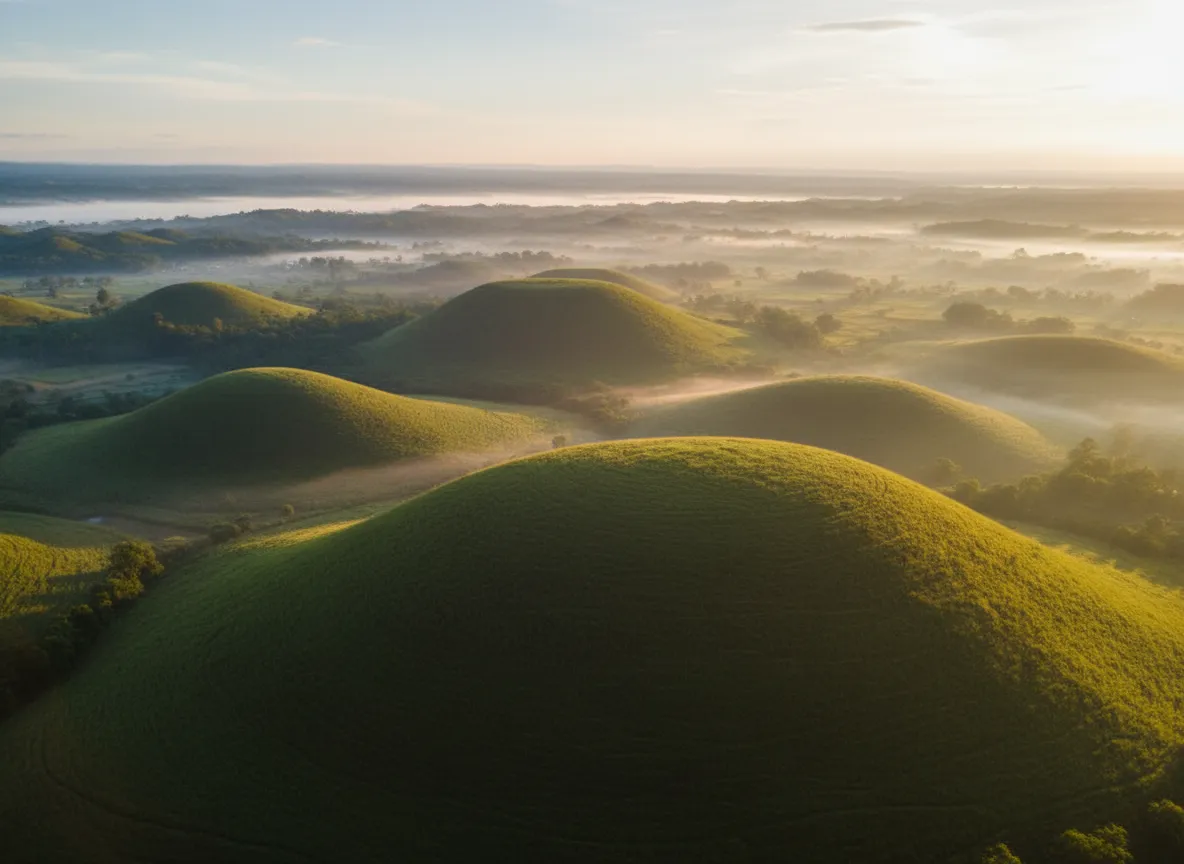
Soft sunrise light over the hills · Quiet wind over native grasslands · A horizon that feels like it belongs only to you.
Photo: Local community guide
Capturing Quintinday Hills
Scenes from the slopes, sunrise, and quiet trails.
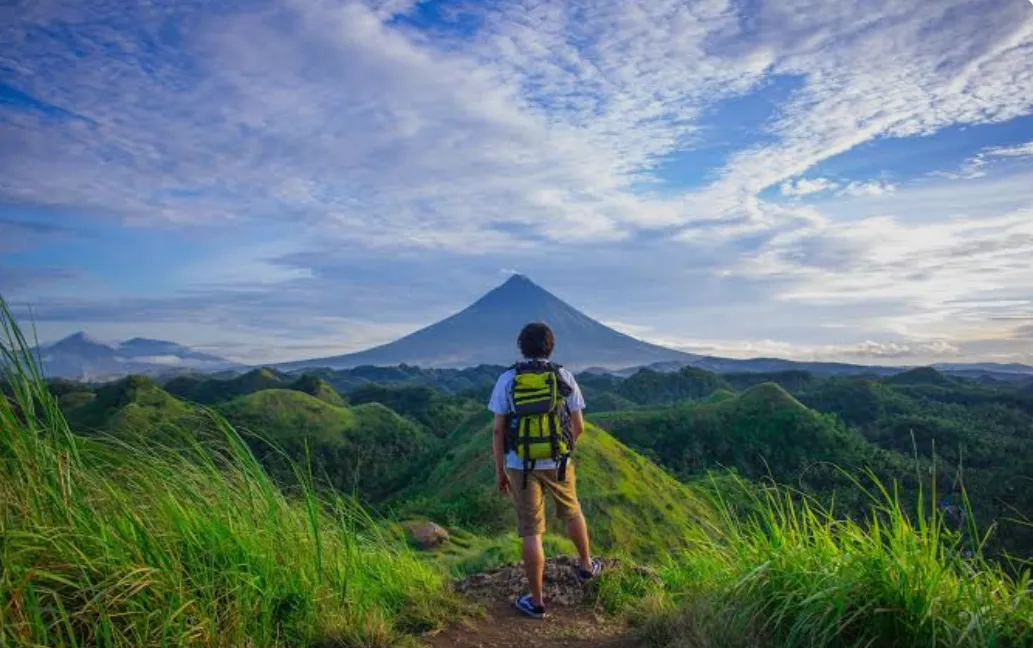
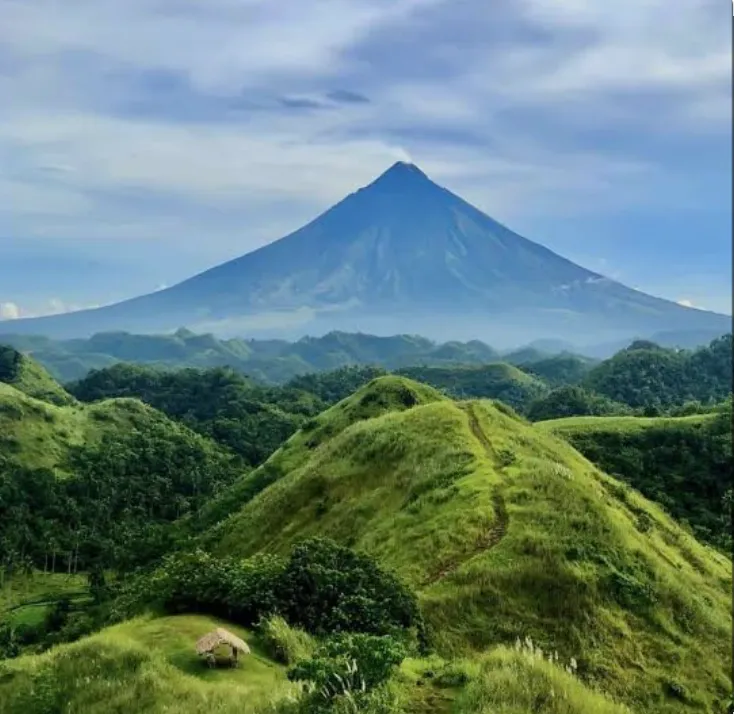
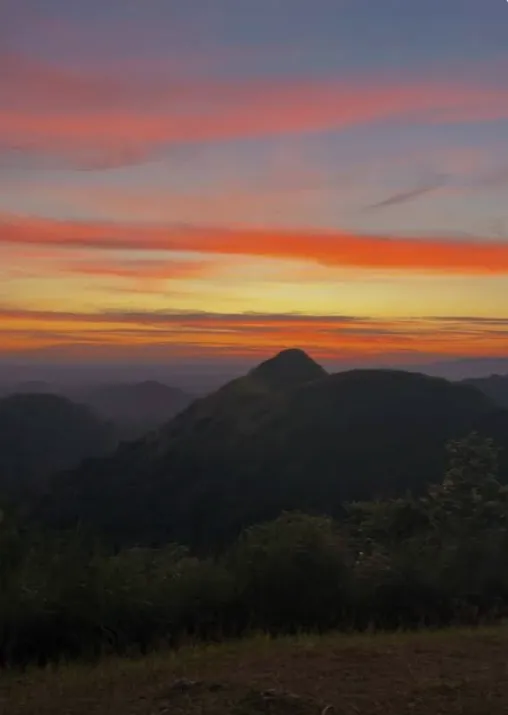
The story behind Quintinday Hills
Quintinday Hills is more than a scenic backdrop—it is a living classroom, a quiet sanctuary, and a reminder of how deeply nature and people are connected in Camalig, Albay. The narrative below shares the heart of what makes this landscape so special, exactly as it is told through local, scientific, and cultural lenses.
Discover the hidden raw beauty of Quintinday Hills, where nature reveals itself in its purest and most peaceful form. Nestled in Camalig, Albay, Quintinday Hills offers a breathtaking landscape of rolling green hills shaped entirely by natural forces. The open grasslands, gentle slopes, and wide horizons create a setting that feels untouched and deeply calming for every visitor. Natural resources such as fertile soil, native grasses, and fresh mountain air sustain the hills’ vibrant appearance throughout the year. This destination invites tourists to slow down, reflect, and experience nature as it exists without artificial influence. Its raw beauty lies in its simplicity, allowing people to connect with the land in an honest and meaningful way. Quintinday Hills stands as an ideal place for travelers seeking authenticity, tranquility, and a genuine encounter with nature. The formation of Quintinday Hills is closely linked to the geological history of the Philippines. Located along active tectonic plate boundaries, the country has been shaped by the movement and interaction of massive plates beneath the Earth’s surface. These movements caused land uplift, volcanic activity, and the creation of diverse landforms such as mountains, valleys, and rolling hills. Over time, erosion and weathering refined these features into the smooth landscapes visible today. In Albay, volcanic processes played a significant role in forming fertile terrain and distinct landforms. Quintinday Hills is a natural result of these powerful tectonic forces, reflecting the dynamic nature of the Earth. Geography and climate work together to support life in Quintinday Hills and across the Philippines. The country’s tropical location provides warm temperatures, abundant rainfall, and consistent sunlight, all of which contribute to rich vegetation growth. The combination of fertile volcanic soil and seasonal rains allows grasses and surrounding ecosystems to thrive naturally. Different elevations and landforms create varied habitats that support diverse plant and animal species. This close relationship between geography, climate, and biodiversity explains why the Philippines is recognized as one of the world’s biodiversity hotspots. Quintinday Hills serves as a clear example of how natural balance sustains life. Promoting Philippine tourism through scientific understanding helps visitors appreciate destinations beyond their visual appeal. When travelers understand how tectonic movements, climate patterns, and ecosystems shape the land, their experience becomes more meaningful. Quintinday Hills offers an opportunity to learn while exploring, turning tourism into an educational and responsible activity. This approach encourages respect for nature and supports conservation efforts. By highlighting the science behind the scenery, tourism becomes a tool for awareness and sustainability. Quintinday Hills represents how knowledge can deepen appreciation for natural heritage. Applying scientific knowledge creatively and collaboratively allows Quintinday Hills to be protected and shared responsibly. Local communities, educators, and tourists all contribute to preserving the area’s natural beauty. Through collaboration, sustainable tourism practices can be developed to ensure long-term conservation. Education and awareness empower visitors to value and respect the environment they explore. Quintinday Hills becomes more than a destination, as it becomes a shared responsibility. Together, science and stewardship help preserve the raw beauty that defines the Philippines.
When you walk these hills, you are not just taking in a view—you are stepping into a living story of earth, climate, and community. Let this understanding guide the way you explore, pause, and connect with Quintinday Hills.
Routes & itineraries for calm, meaningful travel
These suggested routes balance must-see viewpoints with slower moments—giving you time to breathe, observe, and gently connect with local life. Each itinerary is flexible, low-stress, and easy to adapt to your own pace.
Neighborhood itineraries
Half-day sunrise circuit
Begin before dawn in Camalig and travel to Quintinday Hills in time for sunrise. Spend the morning walking along gentle slopes, pausing at a main viewpoint and a quieter, lesser-known ridge. Enjoy a simple local breakfast and coffee prepared by community hosts before heading back to town by late morning.
Full-day slow exploration
Arrive mid-morning, walk the main trail at an easy pace, and take time for quiet reflection spots overlooking the valleys. In the afternoon, visit nearby communities for a home-style meal and short storytelling session about the area’s history and geology. End the day with golden-hour views before returning to your stay.
Island & regional connections
Hills & coast in one day
Combine a morning at Quintinday Hills with an easy afternoon by the coast in nearby Albay. After walking the hills, travel to coastal communities for a simple seafood meal, a relaxed shoreline walk, and sunset viewing over the water.
Regional science & scenery trail
Link Quintinday Hills with other volcanic and coastal sites in Albay and the wider Bicol region. Spend one day focused on hills and geology, and another on coastal ecosystems or nearby islands—tracing how land, sea, and climate shape life in the area.
Multi-day, low-stress stays
2-day quiet retreat
Day 1: Arrive in Camalig, settle into a homestay or small lodge, and visit Quintinday Hills in the late afternoon for soft sunset light. Day 2: Return for sunrise, then join a short session with a local guide or teacher to learn about the hills’ geology and ecology before a relaxed afternoon in town.
3-day immersive stay
Day 1: Gentle arrival and orientation walk in nearby communities. Day 2: Full day at Quintinday Hills with guided walks, quiet breaks, and time for journaling or photography. Day 3: Optional side trip to nearby coasts or cultural sites, ending with a debrief on how tourism and conservation work together in the region.
Every itinerary is simply a guide. Adjust times, pace, and activities to fit your energy, mobility, and interests—there is no rush here.
Practical information for a relaxed visit
Plan with ease. The guidance below keeps things simple, clear, and reassuring—so you can focus on being present once you arrive.
Best seasons & times
Weather & visibility
The drier months (typically December to May) offer clearer skies and more stable trails, ideal for wide hilltop views. During wetter months, expect greener slopes and softer light, but plan for more clouds and possible rain showers.
Time of day
Sunrise and late afternoon are cooler and more comfortable, with softer colors and gentler light. Midday visits are possible, but bring sun protection and more water.
Budget & options
Budget-friendly
Travel via local transport from nearby towns, join shared guiding services, and pack simple snacks. Homestays and basic guesthouses keep costs low while supporting local families.
Comfort-focused
Choose private transport, stay in boutique lodges or well-appointed homestays, and plan longer guided walks with arranged meals. Even with more comfort, experiences remain simple and close to nature.
Connectivity
Mobile signal
Signal strength may vary across the hills, with stronger reception in nearby towns and more limited coverage on certain slopes.
Internet access
Some accommodations and cafés in surrounding areas offer Wi‑Fi, but coverage on-site at the hills is limited. Treat your time here as a chance to disconnect and be fully present.
Safety & respect
Terrain & weather
Trails are generally gentle but can become slippery after rain. Wear closed, comfortable footwear, carry water, and check local weather updates before visiting.
Local guidelines
Follow your guide’s instructions, keep to marked paths, and carry your trash out with you. Speak gently, respect local customs, and remember that this is a shared natural space—leave it as calm as you found it.
Science behind the scenery
Where tectonic forces, volcanoes, and climate meet
Quintinday Hills sits in a part of the Philippines where huge slabs of the Earth’s crust gently collide and shift. Over millions of years, these movements lifted and reshaped the land, while nearby volcanic activity spread layers of mineral-rich material across the region. Wind, rain, and time then softened these once-rough shapes into the smooth, rolling hills you see today.
Because the Philippines lies in the tropics, Quintinday Hills receives warm temperatures, generous rainfall, and steady sunlight. Together with fertile volcanic soils, these conditions allow native grasses and surrounding plants to thrive with little human intervention. Different elevations and slopes collect water and sunlight in unique ways, creating micro‑habitats that support a variety of plants, insects, and birds.
This close partnership between landforms, climate, and living things is part of the reason the Philippines is recognized as a global biodiversity hotspot. In places like Quintinday Hills, you can see how life takes advantage of every gentle slope and patch of soil—forming a balanced system that feels both delicate and resilient.
Understanding these processes can change the way you travel. Every view becomes more than a photo opportunity—it becomes evidence of how the Earth moves, how climates shape life, and how fragile these systems can be. With this awareness, visitors often walk more gently, stay more curious, and leave with a deeper respect for the land and the people who care for it.
Community & conservation at the heart of every visit
Quintinday Hills is cared for by the people who live closest to it. Local communities, educators, and travelers share the responsibility of keeping this landscape quiet, healthy, and welcoming for future generations.
Local communities help guide visitors, maintain access paths, and share stories about the hills’ history and significance. Their knowledge ensures that tourism grows in a way that respects daily life, cultural practices, and the needs of the land.
Educators and guides bring science and storytelling together—helping visitors understand tectonic forces, volcanic soils, climate, and biodiversity in simple, engaging ways. This turns every walk into an opportunity to learn and reflect.
Visitors contribute by choosing low-impact experiences, following local guidelines, and supporting initiatives that prioritize conservation over short-term gain. Every respectful step, every piece of trash carried out, and every locally guided tour helps sustain the hills.
By seeing Quintinday Hills as a shared responsibility—not just a destination—you become part of a larger effort to protect the raw beauty that defines this place and the Philippines as a whole.
How you can help during your visit
- Choose local guides and community-run services whenever possible.
- Keep noise low to protect the calm atmosphere for wildlife and other visitors.
- Stay on marked paths to avoid damaging vegetation and causing erosion.
- Carry a reusable water bottle and take all waste back with you.
- Ask before taking photos of people, and respect moments that are not meant to be photographed.
- Share what you learn about the hills’ science and stories with others, encouraging thoughtful, responsible tourism.
Frequently Asked Questions
Find clear, helpful answers to the most common questions about visiting, planning your trip, and making the most of Quintinday Hills. Tap a question to expand the answer.
How do I get to Quintinday Hills?
You can reach Quintinday Hills by local transport or private vehicle from Camalig, Albay. Clear routes and directions are available on the site.
What should I bring?
Pack sun protection, water, snacks, sturdy footwear, light rain gear, and a camera. Bring cash as card payments may not be available everywhere.
Are the trails suitable for children or older visitors?
Yes, most trails are gentle with gradual inclines, making them suitable for most people. Supervision and care are always recommended for safety.
Is there an entrance fee or permits required?
A small entrance fee may apply, paid on arrival. Permits are not necessary for day visits, but guided tours might require coordination in advance.
When is the best time to visit?
Dry months from February to May offer the best views. Sunrise and late afternoons provide cooler temperatures and softer light for photos.
Can I book a local guide or accommodation through this site?
Information about guides and accommodations is listed for your convenience, but bookings should be arranged directly with providers featured here.
Ready to discover Quintinday Hills?
Start with a simple intention: to travel slowly, listen closely, and leave the hills as peaceful as you found them. From there, you can shape your own route, pace, and experience.
Prefer to explore on your own? Use the routes and practical information above as a gentle guide, and let the hills—and the people who care for them—show you the rest.
Gallery
Scenes from Quintinday Hills
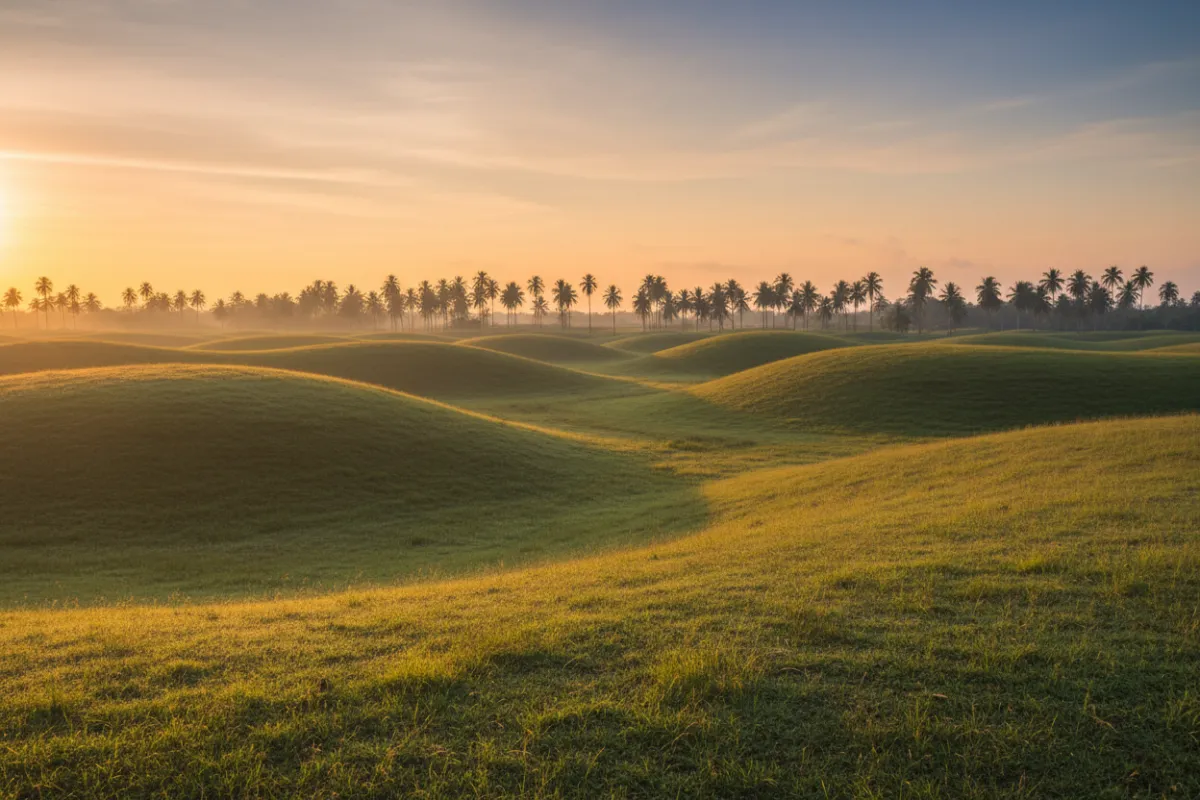
Sunrise over rolling Quintinday Hills, golden light.
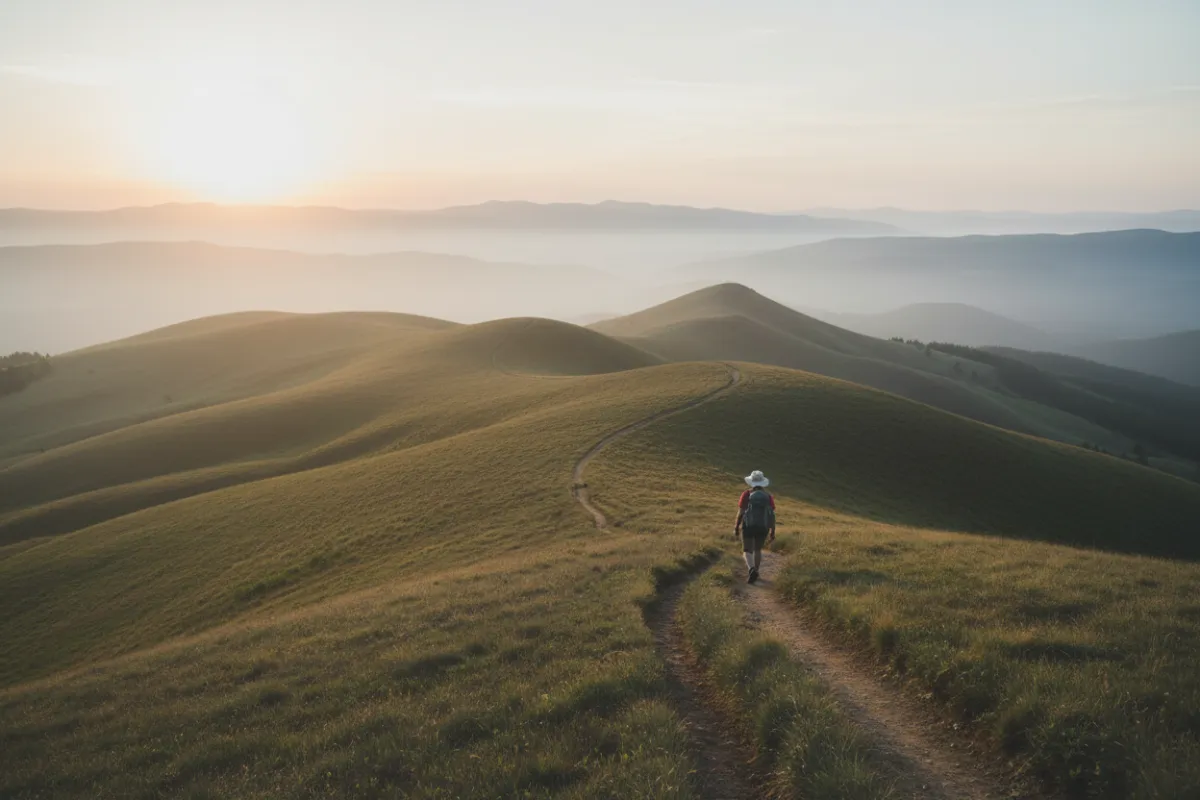
A gentle trail through grassy hills in the morning.
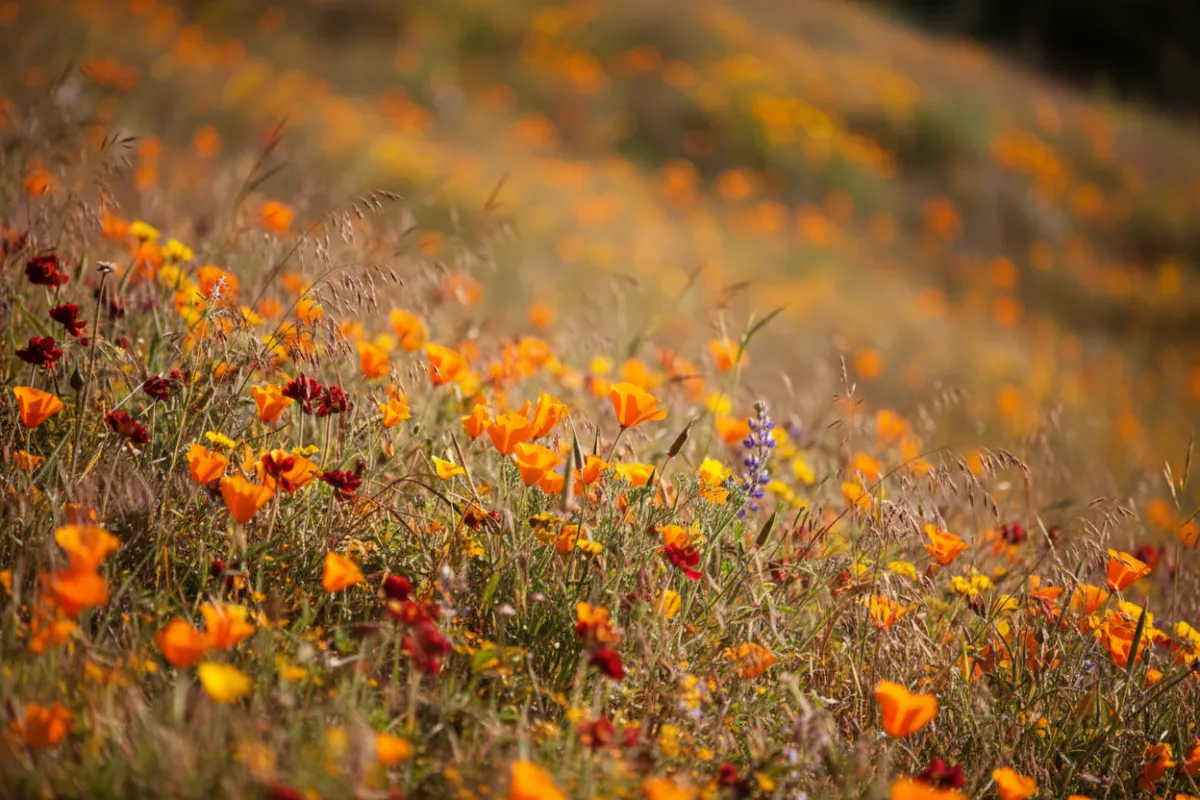
Close-up of wildflowers and grasses on hills.
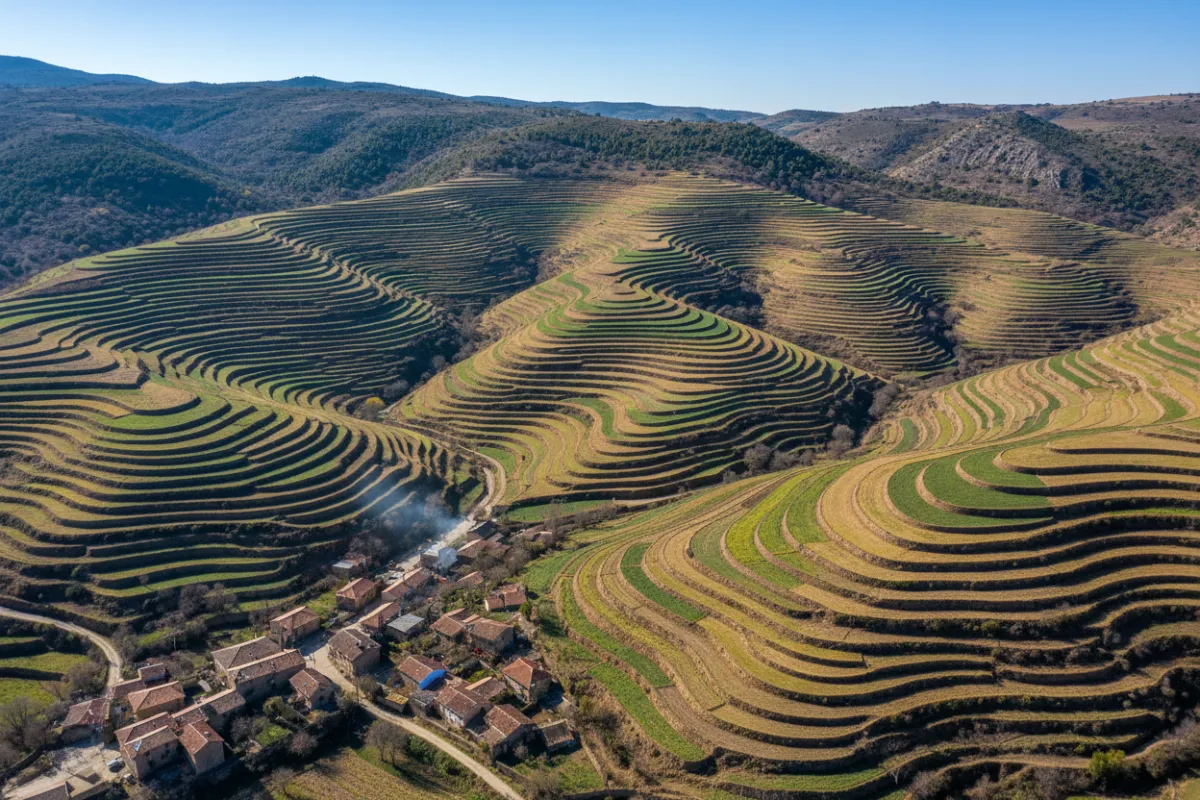
Terraced slopes and a village, aerial view.
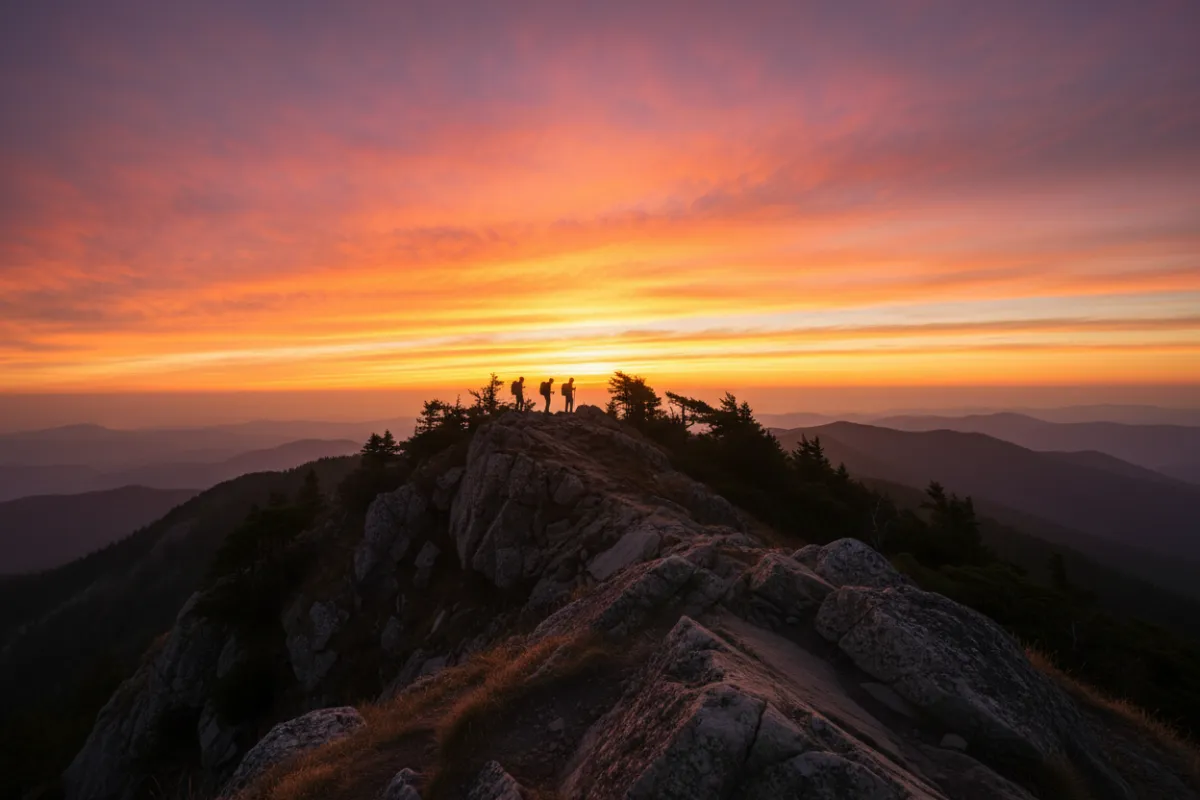
Hikers silhouetted at golden hour on the ridge.
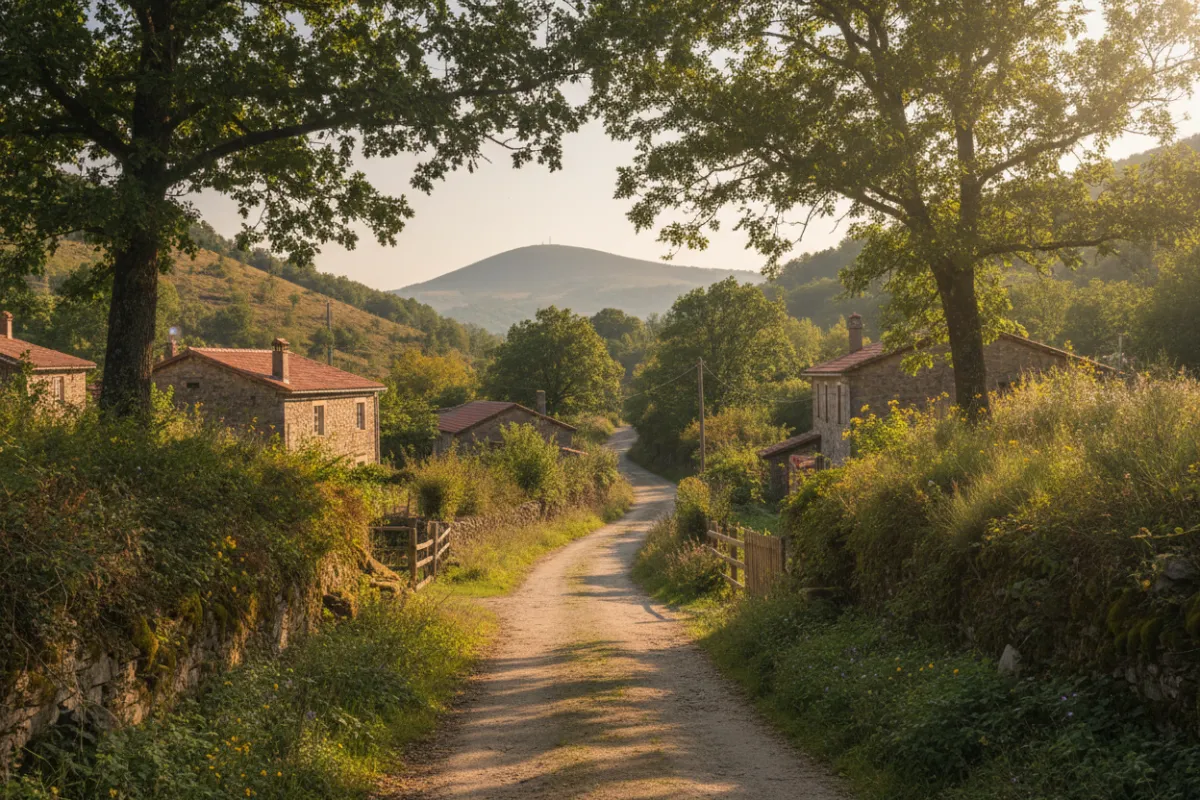
Village lane framed by hills and greenery.