
Ligao, Albay • Eco & Geo Tourism
Discover Tigbao Highlands
A quiet ridge above Ligao’s plains, Tigbao Highlands is where sweeping views of Mayon Volcano meet cool upland air, farm-to-table flavors, and stories shaped by the Earth itself.
Sunrise viewpoints • Farm visits • Quiet trails • Story-driven, eco-friendly itineraries
~350 m
Sunrise
Slow
A landscape written in stone, mist, and time
Where science, scenery, and slow travel meet
Tigbao Highlands is more than a viewpoint. It is a living classroom where you can feel the cool upland wind on your face, listen to birds in the grasslands, sip coffee brewed from nearby farms, and trace how tectonic forces shaped the Bicol you see today.
- Panoramic views of Mayon and the Ligao plains
- Upland farms, local flavors, and community stories
- Gentle walks ideal for families, students, and relaxed travelers
High above the plains of Ligao rises Tigbao Highlands, a quiet vantage point shaped by the same tectonic forces that built the Bicol landscape. Over millions of years, the movement and collision of plates beneath Luzon triggered volcanic activity and uplift, forming rolling hills and fertile slopes across Albay. From Tigbao, the iconic silhouette of Mayon Volcano dominates the horizon: a reminder that the land itself was forged by fire, pressure, and time. The rich volcanic soil beneath the grasses and farms tells a deeper story of subduction, eruptions, and renewal. Geography here shapes climate and life. The elevated terrain brings cooler breezes and frequent mist, while abundant rainfall nourishes crops and native vegetation. These conditions support a mosaic of grasses, small forest patches, and agricultural fields that sustain birds, insects, and other wildlife adapted to upland environments. The connection is clear: tectonic forces built the land, the land influences the climate, and the climate sustains biodiversity. Tigbao Highlands is more than a scenic stop, it is a place where science and tourism meet. Visitors can appreciate not only the sweeping views but also the geological story behind them. By promoting eco-friendly tours, local farm products, and community-led conservation efforts, Ligao can showcase how understanding Earth’s processes strengthens sustainable tourism. In Tigbao, every sunrise over Mayon is both a breathtaking sight and a lesson in how our dynamic planet shapes beauty, resilience, and life.
Routes & Itineraries
Balanced routes, unhurried moments
Follow thoughtful routes that balance Tigbao’s must-see views with quieter, meaningful pauses—from neighborhood walks to island day trips and multi-day journeys you can follow or adapt to your own pace.
Neighborhood Sunrise Route
2–3 hours • Easy Catch first light over Mayon, linger at the Tigbao viewdeck, then stroll to nearby farms for warm drinks and simple breakfast plates. Perfect for families, photographers, and first-time visitors.
- Sunrise at Tigbao Highlands viewpoint
- Short walk through upland grasses and local homes
- Coffee and kakanin from community-run stalls
Highlands-to-Islands Day Trip
Full day • Moderate Begin in Tigbao for the cool morning air and wide views, then descend to coastal towns or nearby lakes and river spots. See how upland slopes feed lowland farms and shorelines in a single, connected story.
- Morning in Tigbao Highlands
- Midday farm or market visit in Ligao
- Late afternoon by the river, lake, or coastal lookout
3-Day Highlands Learning Journey
Multi-day • Slow & immersive Designed for students, educators, and curious travelers who want to connect science with lived experience: from geology and climate to farming, food, and community.
- Day 1: Tigbao geology walk and viewdeck storytelling
- Day 2: Farm immersion and biodiversity observations
- Day 3: Reflection, community sharing, and local crafts
Practical info, without the overwhelm
Plan a visit that feels effortless
Neighborhood, island, and multi-day itineraries come with clear, calm guidance: best seasons, budgets, connectivity, and safety tips broken down into what actually matters on the ground.
No cluttered checklists, no endless tabs—just the essentials so you can travel light and stay present.
Best seasons
Dry months (roughly December–May) offer clearer Mayon views and more stable trails. Misty, dramatic mornings are common year-round, especially after rain.
Budget feel
Tigbao is ideal for students, families, and small groups. Expect modest entrance or parking fees, affordable local meals, and community-guided experiences that directly support residents.
Connectivity
Mobile signal is generally available but can be patchy in some spots. Treat Tigbao as a place to slow your scrolling—download maps offline and let your phone rest when the view opens up.
Safety & respect
Wear sturdy footwear, check weather updates, and follow local guidance. Stay on marked paths, keep noise low, and pack out all trash—Tigbao is a shared home for communities and wildlife.
Image Gallery
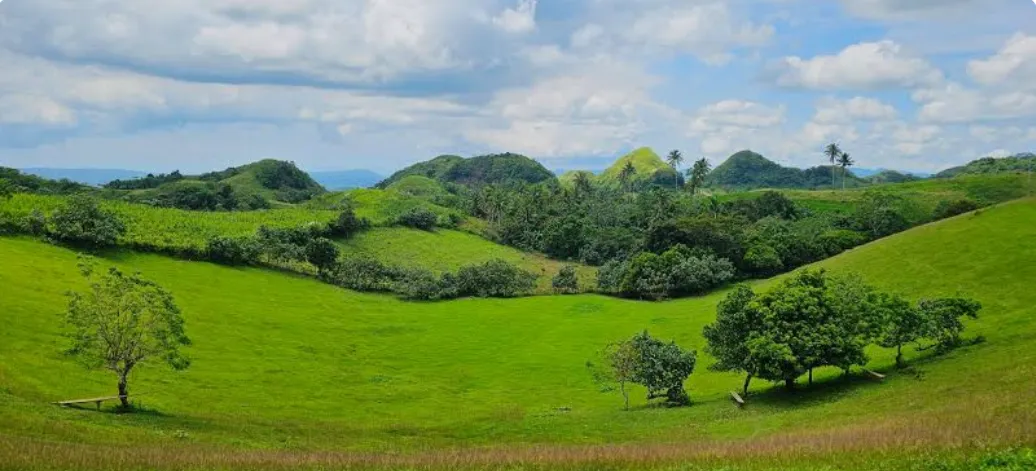
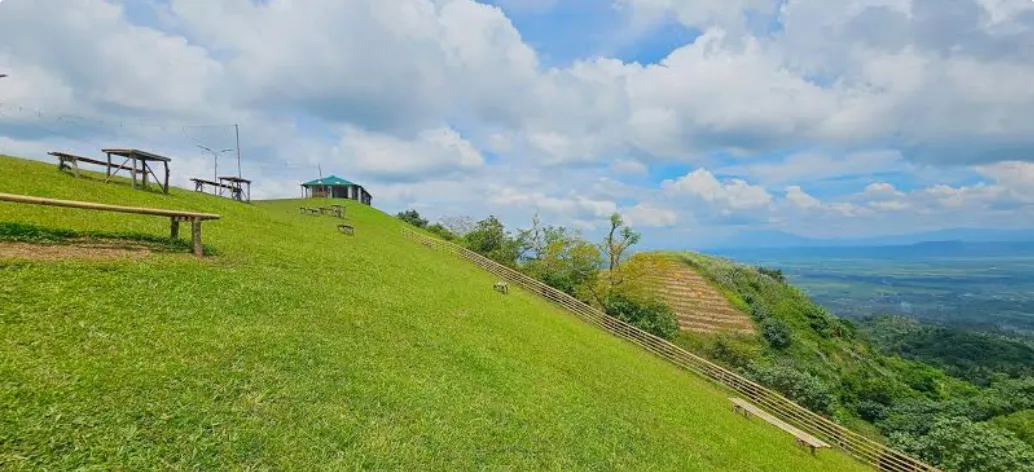
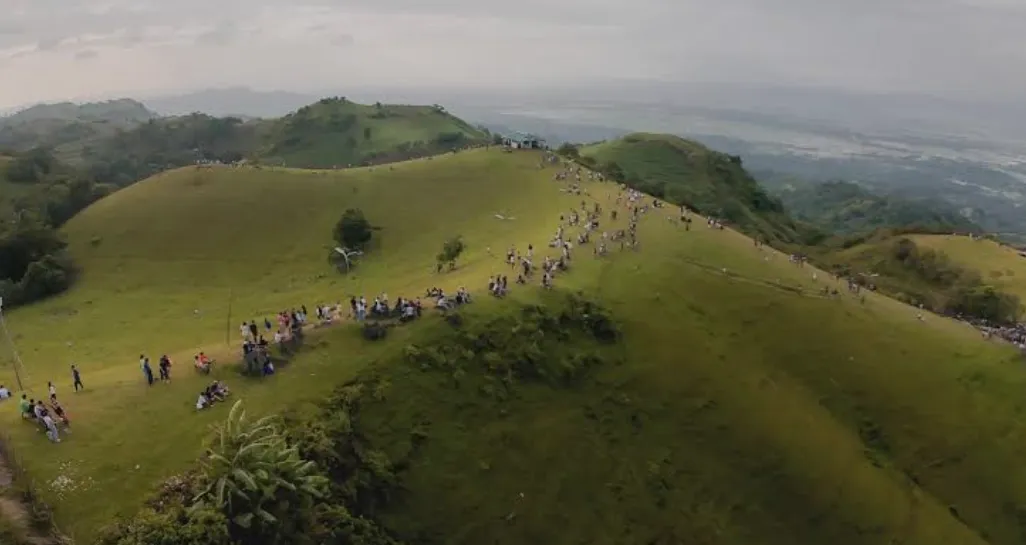
Faces, fields, and the Mayon skyline
Imagine your own Tigbao story: quiet paths in the grass, distant smoke from volcano-shaped history, and small moments with the people who call these uplands home.
FAQ
Answers for thoughtful travelers
Practical guidance on getting there, who it’s for, and how to experience Tigbao Highlands in a way that’s gentle on the land and generous to its people.
How do I get to Tigbao Highlands from Ligao city proper?
From Ligao city proper, you can ride a tricycle or jeepney heading towards the Tigbao area; ask the driver to drop you near the Tigbao Highlands viewpoint or designated stop. Some itineraries arrange private vans or chartered vehicles for groups, especially for sunrise trips. Travel time is usually 20–40 minutes depending on your exact starting point and road conditions.
Is Tigbao Highlands suitable for children and older travelers?
Yes. Most routes to the main viewpoint are gentle, short walks on established paths, with options to stay close to parking areas if mobility is limited. For older travelers and young children, choose the neighborhood sunrise route and avoid steep side trails. Comfortable footwear, light layers, and sun protection are still important.
Do I need a guide, or can I explore on my own?
You can visit on your own, but going with a local guide or community organizer adds deeper stories about geology, farming, and daily life—and ensures your visit directly benefits residents. For school groups and learning journeys, a guide is highly recommended so scientific concepts are explained clearly on-site.
What should I pack for a half-day or full-day visit?
Bring water, a light jacket or shawl (mornings and windy days can feel cool), a hat, sunscreen, insect protection, and a small bag for your trash. If you plan to continue to rivers, lakes, or coastal spots, pack a change of clothes and quick-dry footwear. For photographers, early-morning mist and soft light are worth preparing for.
How can I make my trip more eco-friendly?
Choose reusable containers, avoid single-use plastics, and keep noise low so birds and wildlife are not disturbed. Stay on marked paths to prevent erosion, support local food stalls and guides, and share Tigbao’s story in ways that encourage respect rather than over-tourism. Remember: you are a guest in both a community and an ecosystem.
Ready to discover Tigbao Highlands?
Share your ideal pace—sunrise views, student trips, farm immersions—and get a suggested route that balances must-sees with quiet, meaningful stops.
By visiting Tigbao Highlands, you help sustain community-led conservation, local livelihoods, and science-informed tourism in Ligao, Albay.